





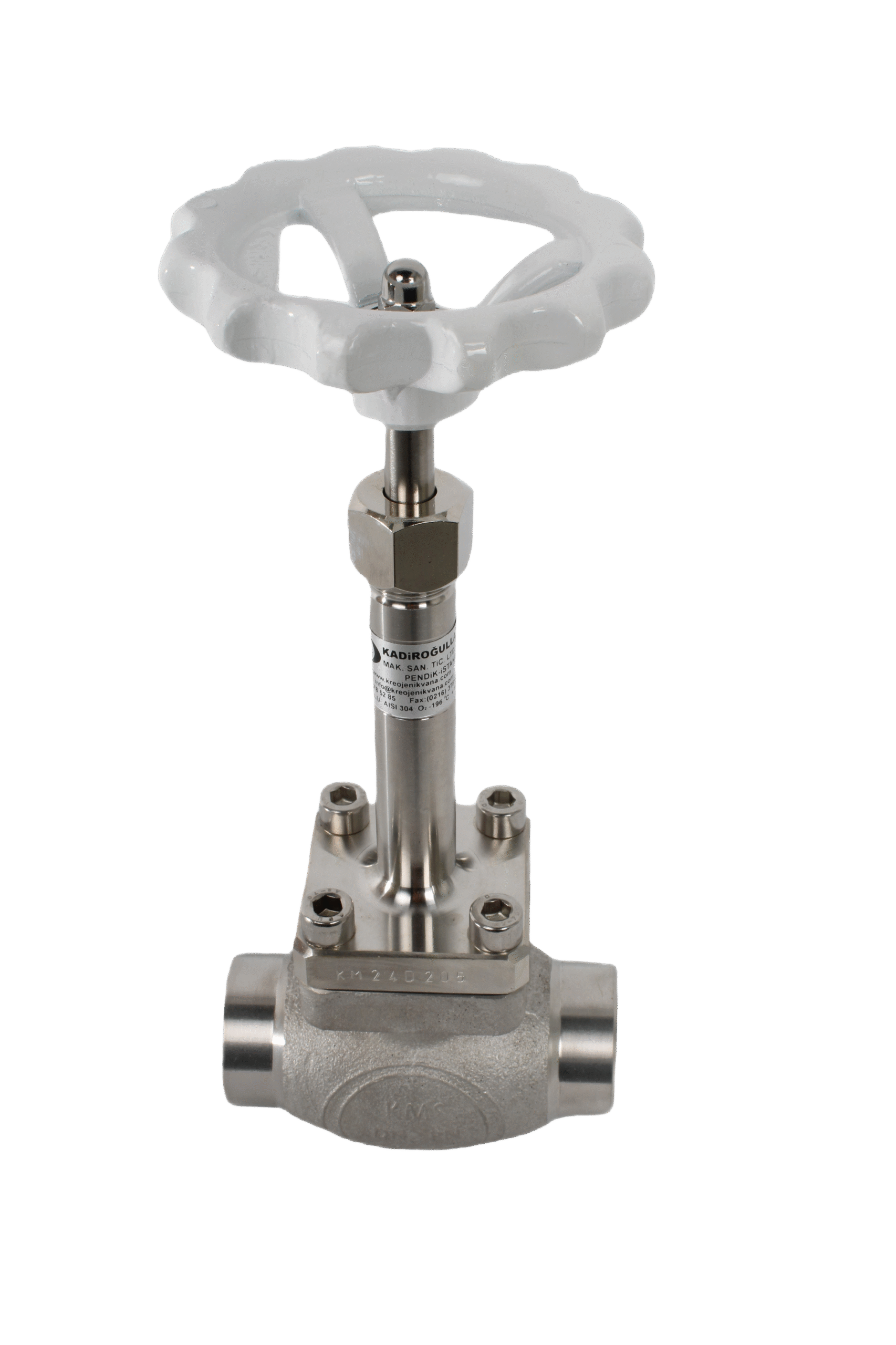
Globe Valve: Definition, Applications, and the Role of Cryogenic Valves in Modern Industry
In the world of industrial flow control, few components are as crucial as valves. Among the wide variety of valve types, the globe valve—also known as globe vana in Turkish—stands out as one of the most versatile and reliable solutions for regulating the flow of liquids, gases, and even cryogenic fluids. Unlike simple on-off valves such as gate or ball valves, the globe valve is specifically designed to provide precise throttling and control, making it indispensable in sectors where accuracy, durability, and safety are paramount.
This comprehensive guide explores what a globe valve is, how it works, the different types available, where it is used, its advantages and limitations, and its relationship with cryogenic valves. Since cryogenic applications are increasingly critical in industries such as LNG (Liquefied Natural Gas), petrochemicals, energy production, and medical gases, the integration of globe valve in cryogenic systems deserves special attention.
For additional information and reliable valve solutions, you can always visit www.kriyojenikvana.com.tr, a trusted source for cryogenic and industrial valves.
1. What is a Globe Valve?
A globe valve is a type of valve used to regulate, start, or stop the flow of a fluid within a pipeline. The valve gets its name from its spherical body shape in its earliest designs. Even though modern globe valves may not always have a perfectly round body, the term “globe valve” has become the industry standard.
The distinguishing feature of a globe valve is its linear motion disc and seat design, which allows it to control flow precisely. Unlike gate valves, which are designed primarily for full shutoff, globe valves are used where throttling (flow regulation) is necessary.
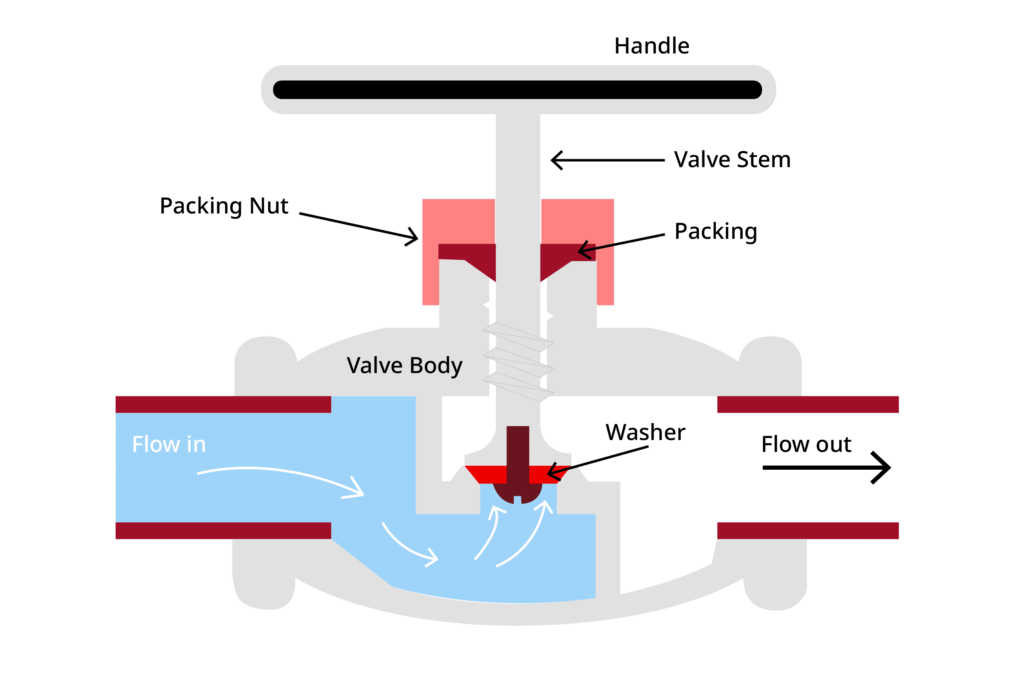
Main Components of a Globe Valve
- Body (Valve Housing): The main pressure-containing structure, usually made of cast steel, stainless steel, or exotic alloys depending on the application.
- Bonnet: The upper part of the valve, which houses the stem and provides access for maintenance.
- Disc (or Plug): The movable component that makes contact with the seat to control flow.
- Seat (or Cage): The stationary part inside the body where the disc sits when closed.
- Stem: A shaft that connects the actuator or handwheel to the disc, enabling vertical movement.
- Handwheel / Actuator: The control mechanism that moves the stem. It can be manual, electric, pneumatic, or hydraulic.
This design makes globe valves ideal for applications that demand both shutoff capability and precise flow control.
2. How Does a Globe Valve Work?
The operating principle of a globe valve is straightforward yet effective.
- In the closed position, the disc presses tightly against the seat, preventing any fluid from passing.
- In the partially open position, the disc lifts slightly, allowing a controlled amount of fluid to pass.
- In the fully open position, the disc is lifted completely, maximizing flow.
Because the flow path inside a globe valve changes direction (typically in a “Z” pattern), the valve creates a pressure drop. While this is seen as a disadvantage in some systems, the benefit is highly accurate flow regulation.
3. Types of Globe Valves
Globe valves come in various designs to meet different system requirements:
- Z-Type Globe Valve: The most common design. Offers good throttling control but higher pressure drop.
- Y-Type Globe Valve: Designed with a Y-shaped body to reduce flow resistance and pressure loss. Suitable for high-pressure, high-temperature systems.
- Angle-Type Globe Valve: Allows a 90-degree change in flow direction, saving space and eliminating the need for additional pipe fittings.
4. Applications of Globe Valves
Globe valves are widely used in industries that require precise regulation of fluid flow. Some of the major application areas include:
4.1 Power Generation
- Steam turbine systems
- Cooling water circuits
- Boiler feedwater regulation
4.2 Oil and Gas / Petrochemicals
- Refinery process lines
- Chemical injection systems
- Hydrocarbon flow control
4.3 Water Treatment and Distribution
- Clean water distribution networks
- Wastewater treatment plants
- Filtration systems
4.4 HVAC (Heating, Ventilation, and Air Conditioning)
- Chilled water systems
- District heating networks
- Cooling tower circulation
4.5 LNG and Cryogenics
- LNG storage and transfer systems
- Gasification units
- Low-temperature pipelines handling liquid oxygen, nitrogen, and argon
5. Advantages of Globe Valves
- Excellent throttling capabilities for precise flow control
- Good shutoff performance with reliable sealing
- Durable and versatile, compatible with a wide range of fluids
- Available in many sizes and materials for different industries
- Compatible with automation (electric, pneumatic, or hydraulic actuators)
6. Limitations of Globe Valves
- Higher pressure drop compared to gate or ball valves
- Larger size and heavier design in bigger diameters
- More expensive than simpler valve types for large pipelines
Despite these disadvantages, their ability to provide accurate flow control often outweighs the drawbacks.

7. Cryogenic Valves: Definition and Importance
What is a Cryogenic Valve?
A cryogenic valve is a specialized valve designed to operate at extremely low temperatures, often below -150 °C (-238 °F). These valves are essential in applications involving liquefied gases such as:
- LNG (Liquefied Natural Gas)
- Liquid Nitrogen (LN₂)
- Liquid Oxygen (LOX)
- Liquid Argon (LAr)
- Liquid Helium
Cryogenic valves are built from special materials like stainless steel, nickel alloys, and brass that can withstand thermal contraction without losing integrity.
Key Features of Cryogenic Valves
- Extended bonnet design to keep stem seals away from extreme cold
- High-performance sealing to prevent leakage
- Resistance to thermal shock
- Safe operation in LNG plants, transport ships, and storage tanks
8. The Role of Globe Valves in Cryogenic Applications
Among all cryogenic valve types, cryogenic globe valves are highly valued for their ability to regulate flow accurately. They are used in:
- LNG transfer lines where precise control is critical
- Gasification plants converting LNG back into gaseous form
- Air separation units (ASUs) producing oxygen, nitrogen, and argon
- Cryogenic storage tanks where safety and flow management are essential
Because cryogenic fluids are volatile and hazardous, the reliability of a cryogenic globe valve is vital to ensuring both safety and efficiency.
For detailed technical solutions, you can explore www.kriyojenikvana.com.tr, which specializes in cryogenic valves and industrial flow control systems.
9. How to Select the Right Globe Valve
When selecting a globe valve, engineers must consider:
- Pressure and temperature ratings of the system
- Fluid type and chemical compatibility with valve materials
- Desired flow control accuracy
- Actuation method (manual, electric, pneumatic, or hydraulic)
- Space and installation requirements
For cryogenic applications specifically, always choose a certified cryogenic valve designed with extended bonnets and low-temperature materials.
10. Comparison with Other Valve Types
- Globe Valve vs. Gate Valve: Gate valves are better for low-pressure-drop, on-off applications, but globe valves excel at throttling.
- Globe Valve vs. Ball Valve: Ball valves are quick to operate but lack the fine control of globe valves.
- Globe Valve vs. Butterfly Valve: Butterfly valves are cost-effective for large diameters, but globe valves provide better sealing and control.
11. Maintenance and Reliability
Globe valves require periodic maintenance, especially in high-pressure and cryogenic systems. Regular inspection of:
- Sealing surfaces
- Stem packing
- Actuator performance
…ensures long-term reliability and safety.
Conclusion
The globe valve is one of the most reliable and precise flow control devices in industrial applications. From power plants and petrochemical refineries to water treatment facilities and HVAC systems, its ability to deliver accurate throttling and strong sealing makes it indispensable.
In the world of cryogenic applications, the globe valve plays an even more critical role. Handling LNG, liquid oxygen, nitrogen, and other low-temperature fluids requires specialized cryogenic globe valves that combine durability, accuracy, and safety.
For businesses and engineers seeking trusted cryogenic valve solutions, we recommend visiting www.kriyojenikvana.com.tr, where expert solutions and high-quality products are available for a wide range of industrial needs.